Endourology Masterclass: Ureteroscopy, Stone Disease & Transurethral Surgery
Duration: 2 Days
Dates: 16–17 October
Time: 8:30 AM – 4:00 PM (Day 1) | 8:30 AM – 4:30 PM (Day 2)
Course Overview
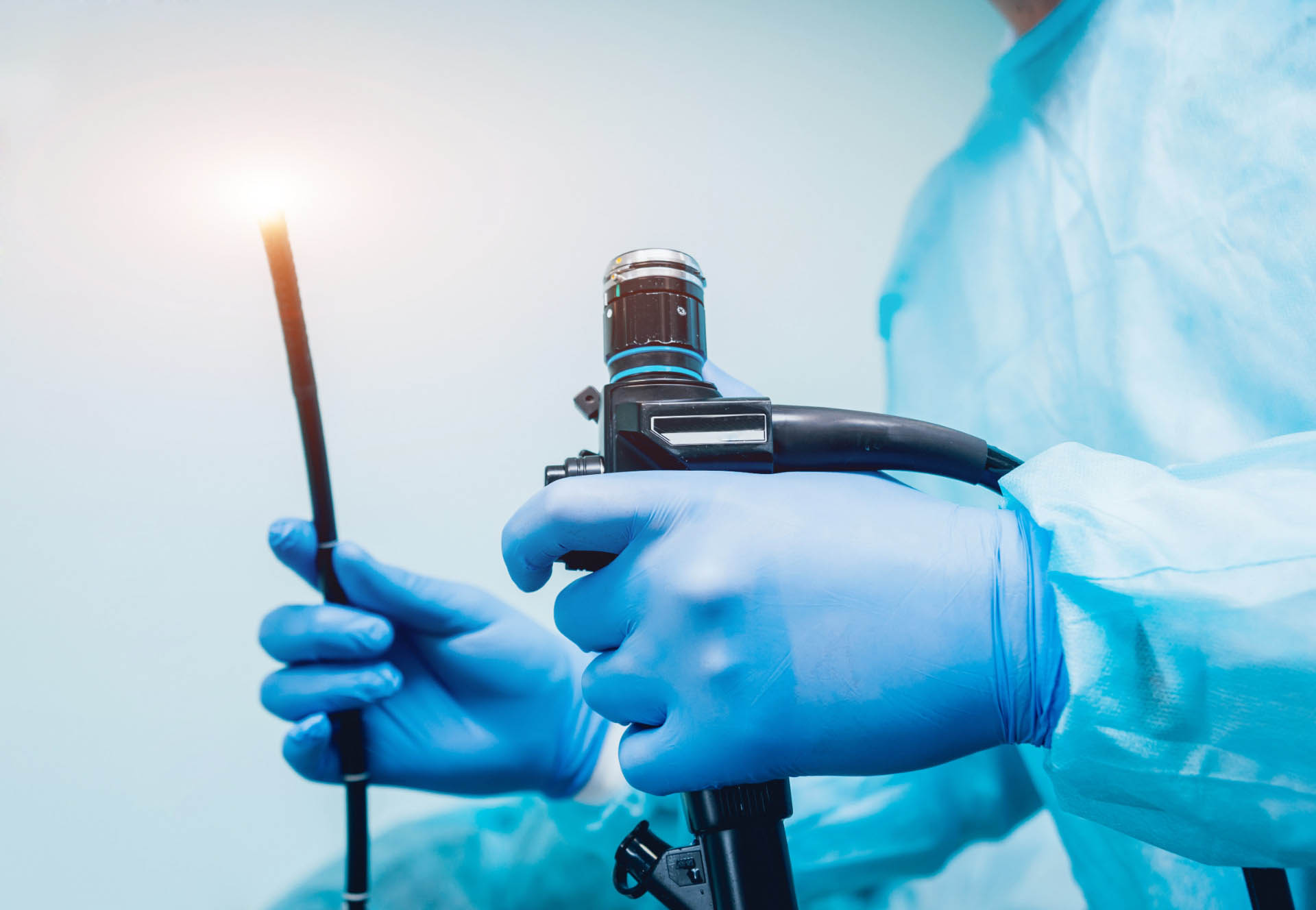
This intensive two-day course provides a comprehensive introduction to modern endourology, covering the diagnosis and surgical management of urinary stone disease, ureteroscopy, percutaneous renal surgery, benign prostatic hyperplasia (BPH), and transurethral surgery. Participants will benefit from expert lectures, semi-live surgical demonstrations, and extensive hands-on practical training.
Learning Objectives
Upon completion of this course, participants will be able to:
- Understand current international guidelines for urinary stone disease and BPH.
- Select appropriate equipment for rigid and flexible ureteroscopy.
- Perform rigid and flexible ureteroscopy safely and effectively.
- Apply modern intracorporeal lithotripsy techniques.
- Prevent and manage complications of endourological procedures.
- Understand radiation and laser safety principles.
- Perform basic transurethral bladder tumor resection (TURBT).
- Understand the principles of transurethral resection of the prostate (TURP).
- Gain practical experience through supervised hands-on training.
- Appreciate strategies for planning urologic services in Africa.
Course Programme
Day 1 — Friday, 16 October
Theme: Stone Disease & Ureteroscopy
| Time | Session |
|---|---|
| 08:30 | Welcome and Introductions |
| 08:40 | Renal and Ureteral Stones: What Do the Surgical Stone Guidelines Say? |
| 09:00 | Basic Equipment for Rigid Ureteroscopy (Guidewires, Balloons, Sheaths, Baskets, Stents) |
| 09:20 | Endoscopes and Video Systems for Rigid Ureteroscopy |
| 09:40 | Intracorporeal Lithotripsy: Devices and Technique |
| 10:00 | Refreshment Break |
| 10:30 | Technique of Rigid Ureteroscopy |
| 10:50 | Technique of Flexible Ureteroscopy |
| 11:10 | Complications of Ureteroscopy: Prevention and Treatment |
| 11:30 | Radiation Safety for Endourology |
| 11:45 | Lunch Break |
| 12:45 | Semi-Live Surgery: Rigid Ureteroscopy and Lithotripsy |
| 01:15 | Semi-Live Surgery: Flexible Ureteroscopy and Lithotripsy |
| 01:45 | Hands-on Training: Rigid and Flexible Ureteroscopy |
| 03:00 | Introduction to Percutaneous Renal Surgery: Indications and Equipment |
| 03:30 | Percutaneous Access Made Easy |
| 04:00 | Adjourn |
Day 2 — Saturday, 17 October
Theme: BPH & Transurethral Surgery
| Time | Session |
|---|---|
| 08:30 | Debrief and Questions from Day One |
| 09:00 | BPH Treatment: What Do the Guidelines Say? |
| 09:30 | Laser Safety |
| 09:50 | Transurethral Bladder Tumor Resection (TURBT): Basic Technique – Semi-Live Surgery |
| 10:15 | Refreshment Break |
| 10:45 | Transurethral Resection of the Prostate (TURP): Basic Technique – Semi-Live Surgery |
| 11:15 | Complications of TURBT and TURP: Prevention and Treatment |
| 11:45 | Lasers for Management of BPH: Technology and Technique |
| 12:30 | Lunch Break |
| 01:30 | Hands-on Training: Transurethral Surgery |
| 03:00 | Debrief and Questions from Day Two |
| 03:30 | Ten Rules on How to Become a Good Urologist |
| 04:00 | Planning and Scaling Urologic Manpower in Africa |
| 04:30 | Meeting Wrap-up & Presentation of Certificates |
Faculty
- John Denstedt
- Rajiv Singal
- Kymora Scotland
- Andreas Gross
Teaching Methods
- Expert lectures
- Semi-live surgical demonstrations
- Interactive case discussions
- Hands-on practical training
- Question and answer sessions
Target Audience
- Urologists
- Urology residents
- Fellows in Endourology
- General surgeons with an interest in urology
- Healthcare professionals involved in minimally invasive urologic surgery
Course Outcomes
Participants completing the course will have gained practical knowledge and technical skills in:
- Management of urinary stone disease
- Rigid and flexible ureteroscopy
- Laser lithotripsy
- Percutaneous renal surgery
- TURBT
- TURP
- Laser treatment for BPH
- Prevention and management of endourological complications
- Safe use of radiation and laser technologies
- Contemporary endourological best practices
Certificate
A Certificate of Participation will be awarded to participants who successfully attend the complete two-day training programme.